基板試作を簡単に

フル機能のカスタム基板試作サービス。

Surface Finishing

Nickel plating

Nickel plating is a common surface treatment that enhances the corrosion resistance and hardness of parts. This treatment is applicable in many industries, including automotive, aerospace, electronics, and medical equipment.

Get a quote

Introduction to Nickel plating

Nickel plating
Nickel plating
Description

Nickel plating is a technique of electroplating a thin layer of nickel onto a metal object. The nickel layer can be decorative, provide corrosion resistance, wear resistance, or used to build up worn or undersized parts for salvage purposes.

Technical Properties

Applicable Sharp edges and burrs Premium appearance availability Tolerances
Metals Removed Yes Met after surface finish

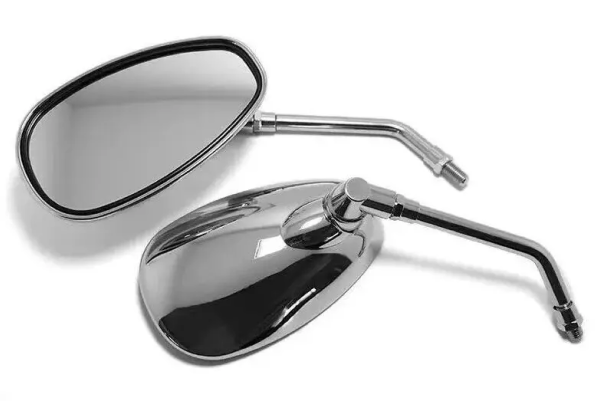
Example of a Nickel plating Part

Nickel plating
Nickel plating

CNC Nickel Plating Process Guide

1. Principles of Nickel Plating

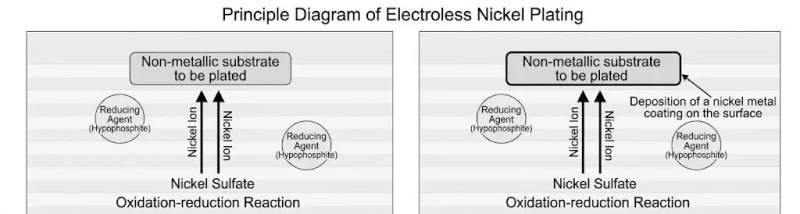
Nickel plating is a surface treatment process in which a layer of nickel is deposited onto a workpiece to improve its surface properties, such as corrosion resistance, wear resistance, and appearance. Depending on the process used, nickel can be deposited through electroplating or electroless plating. Electroless nickel plating uses a chemical reduction reaction without an external electrical power source.

Principles of Nickel Plating

2. Nickel Plating Process

(1) Chemical Degreasing

Removes oil, grease, and other contaminants from the workpiece surface to ensure uniform subsequent surface treatment and improve coating adhesion.

(2) Surface Roughening

Roughens the surface of non-metallic materials to increase the contact area between the substrate and the coating, thereby improving adhesion. Methods include mechanical roughening, such as sandblasting, sanding, and grinding, as well as chemical roughening, depending on the substrate.

(3) Sensitization

Allows suitable metal ions to adsorb onto the surface of non-metallic materials, preparing the surface for subsequent activation and metal deposition.

(4) Activation

Creates catalytic sites on the surface of non-metallic materials to promote the subsequent metal deposition reaction.

(5) Nickel Plating

A nickel coating is deposited onto the prepared substrate. The specific process and pretreatment requirements depend on the substrate material and the nickel plating method used.

Nickel Plating

3. Nickel Plating Finish

Type Appearance Characteristics
Bright Nickel Plating Bright, silver-colored metallic appearance with a smooth surface Provides corrosion and wear resistance and is suitable for decorative and appearance-critical parts. Actual performance depends on the coating composition and process.

4. Nickel Plating Design Considerations

(1) Complex Geometries and Blind Holes

Complex internal cavities, blind holes, and deep grooves require careful process evaluation. Trapped air and poor solution circulation may cause coating defects. Suitable process holes or other design features may be necessary.

(2) Coating Thickness and Tolerances

Nickel plating adds material to the workpiece surface. Typical coating thicknesses vary depending on the plating method and application. Design tolerances should account for the coating thickness, as excessively thick coatings may increase internal stress and the risk of peeling.

(3) Substrate Compatibility

Steel, stainless steel, and aluminum require suitable pretreatment before nickel plating. Plastics and ceramics generally require specialized surface preparation and activation processes. Inadequate pretreatment may result in poor adhesion or coating delamination.

(4) Surface Defects

Existing substrate defects, such as scratches, pores, and pits, may remain visible after plating. Nickel plating does not automatically conceal imperfections in the underlying material.

(5) Mating Surfaces and Threaded Holes

Mating surfaces and threaded holes require careful evaluation because the coating changes part dimensions and clearances. Thread allowances should be considered during design, and post-plating machining may be necessary to achieve the required fit and tolerance.

(6) Material Stress and Heat Treatment

Some nickel coatings can be hardened through heat treatment. However, this may also affect coating brittleness and performance. Heat treatment should be evaluated carefully for parts that require bending or other forms of deformation.

Material Stress and Heat Treatment

5. Applications of Nickel Plating

  • Precision Mechanical Components: CNC-machined aluminum and steel parts can benefit from improved wear resistance and corrosion protection.
  • Electronic Components: RF cavities and shielding enclosures can use suitable nickel coatings for corrosion protection and, depending on the coating properties, electromagnetic shielding applications.
  • Hydraulic and Pneumatic Components: Valves, plungers, and other components can benefit from improved wear resistance and resistance to working fluids.
  • Optical Equipment Mounts: Matte nickel finishes can help reduce unwanted reflections where glare control is important.
  • Plastic Decorative Components: ABS plastic parts can be metallized through suitable pretreatment and nickel deposition to achieve a metallic appearance.
  • Mold and Tooling Industry: Nickel coatings can improve wear resistance and, depending on the coating and surface finish, help improve release performance on selected mold components.