
基板試作を簡単に

フル機能のカスタム基板試作サービス。

Surface Finishing

Chrome plating

Chrome plating is a common surface treatment that enhances the appearance quality and corrosion resistance of parts. This treatment is applicable in many industries, including automotive, furniture, construction, and home appliances.

Get a quote

Introduction to Chrome plating

Chrome plating
Chrome plating
Description

Chrome plating is a technique of electroplating a thin layer of chromium onto a metal object. The after product of chrome plating is called chrome. The chromed layer can be decorative, provide corrosion resistance, ease cleaning procedures, or increase surface hardness. Sometimes, a less expensive imitator of chrome may be used for aesthetic purposes.

Technical Properties

Applicable Sharp edges and burrs Premium appearance availability Tolerances
Metals Removed Yes Met after surface finish

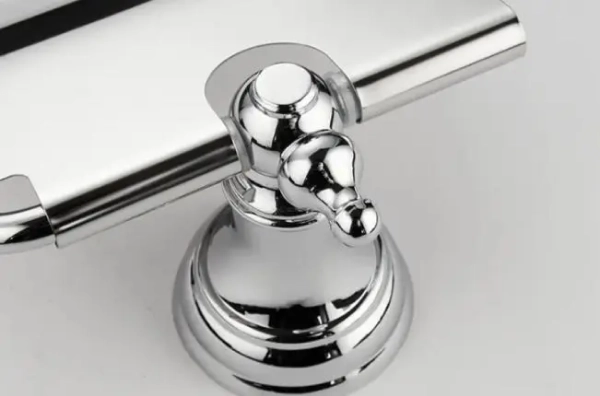
Example of a Chrome plating Part

Chrome plating
Chrome plating

CNC Chrome Plating Process Guide

1. How Chrome Plating Works

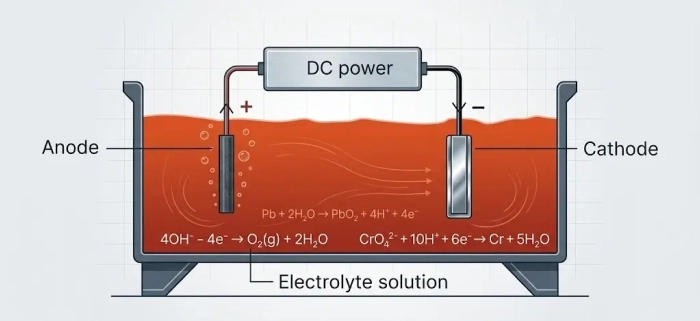
Chrome plating is an electroplating process that deposits a thin layer of chromium onto a metal surface. Through an electrochemical reaction, chromium is deposited onto the cathode from an electrolyte containing chromium compounds, forming a chromium coating on the workpiece.

How Chrome Plating Works

2. Chrome Plating Process

(1) Degreasing:

Removes oil, grease, and other contaminants from the metal surface to ensure proper coating adhesion and plating quality.

(2) Cleaning:

Thoroughly removes residual dirt, dust, and other particles from the surface.

(3) Base Metal Preparation:

Treats the base metal, often with an underlying copper or nickel layer, to improve adhesion and provide a suitable foundation for chrome plating.

(4) Electroplating:

The workpiece is immersed in an electrolyte containing chromium compounds. An electric current drives the electrochemical reaction, depositing a chromium layer on the surface. The coating thickness can be adjusted according to the application requirements.

(5) Passivation (Optional):

The chromium coating may undergo additional chemical treatment to improve corrosion resistance, depending on the plating process and coating requirements.

Chrome Plating Process

3. Chrome Plating Finishes

Type Appearance Description
Decorative Bright Chrome Mirror-like, highly reflective finish with a smooth, fine surface and minimal visible imperfections Typically consists of a relatively thick nickel undercoat and a thin chromium topcoat. This is the most common type of decorative chrome plating.

4. Important Considerations for Chrome Plating

(1) Sharp Edges and Corners

Shap edges and corners may cause excessive plating buildup, burrs, or burning during electroplating. A corner radius of at least R0.3 mm is recommended. Deep holes, blind holes, and narrow gaps can make uniform chromium deposition difficult and may result in incomplete coverage.

(2) Coating Thickness

Decorative chrome coatings are very thin, typically around 0.2–0.5 μm, with much of their corrosion protection provided by the underlying nickel layer. Hard chrome coatings are generally at least 5 μm thick and may reach several tens of micrometers. These thicker coatings can affect dimensional tolerances, so sufficient allowance should be included in the design.

(3) Substrate Limitations

Dirct chrome plating on aluminum alloys can result in poor adhesion. Aluminum parts typically require pretreatment, such as zincate treatment, followed by an appropriate intermediate coating. Chrome plating on plastic requires additional surface preparation and metallization steps, making the process more complex and costly.

(4) Appearance and Plating Contact Points

Platng rack and electrical contact points may leave visible marks on the finished part. These locations should be specified in the technical drawings, and visible A-surfaces should be kept clear of contact points whenever possible.

(5) Environmental Compliance

Traditional hexavalent chromium plating is subject to strict environmental and regulatory controls. Trivalent chromium plating may be required for certain applications. Confirm applicable RoHS and other environmental compliance requirements before production.

(6) Coating Stress

Thick hard chrome coatings may develop microcracks due to internal stress. For load-bearing or corrosion-sensitive components, the potential effects of coating cracks on corrosion resistance and service life should be evaluated.

Important Considerations for Chrome Plating

5. Applications of Chrome Plating

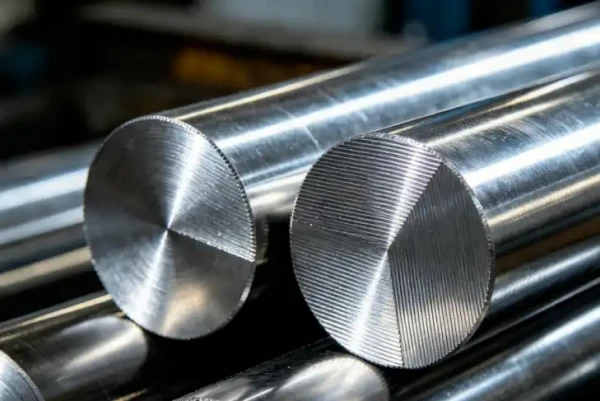
  • Precision Mechanical Components: Shafts, guide pins, and sliders made from steel or iron can benefit from hard chrome plating, which improves surface hardness and wear resistance. It can also restore worn components to their required dimensions.
  • Decorative Hardware: Decorative chrome plating provides a mirror-like finish for jewelry fittings, handles, bathroom accessories, and automotive trim. The smooth surface is easy to clean and maintain.
  • Hydraulic and Pneumatic Components: Piston rods and valve stems benefit from the wear resistance, low friction, and corrosion protection provided by suitable chrome plating systems.
  • Molds and Tooling: Chrome plating on mold inserts and forming surfaces can improve wear resistance, reduce sticking, and facilitate demolding.
  • Luggage and Furniture Hardware: Locks, buckles, nameplates, and decorative fittings often use copper-nickel-chrome multilayer coatings to achieve a bright appearance and enhanced corrosion resistance.