
基板試作を簡単に

フル機能のカスタム基板試作サービス。

Surface Finishing

Silkscreen

Silkscreen is commonly used in industries such as printing, electronics, and advertising to achieve precise and durable pattern and text printing on the surface of objects using silk screen printing technology.

Get a quote

Introduction to Silkscreen

Silkscreen
Silkscreen
Description

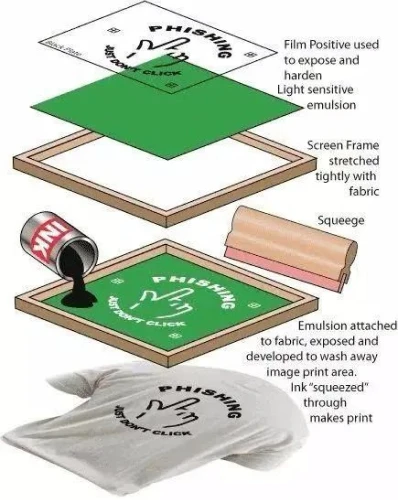
Silkscreen generally refers to screen printing, which is the process of pressing ink through a stencilled mesh screen to create a printed design, graphics and text.
Kindly note that silkscreens can be made only on flat surfaces. ONLY Ai and svg formats are acceptable and meanwhile mark the dimension and placement on the 2D technical drawings.

Colors:

Applicable to all pantone colors

Technical Properties

Applicable Sharp edges and burrs Premium appearance availability Tolerances
Metals, Plastics Removed No Met after surface finish

Added durability in a variety of colors and finishes

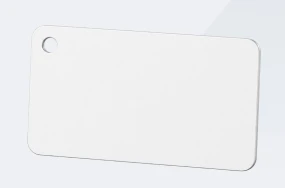
White

White

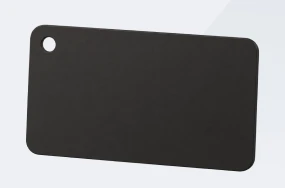
Process Black

Process Black

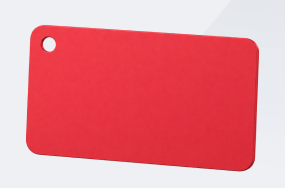
red 032U

red 032U

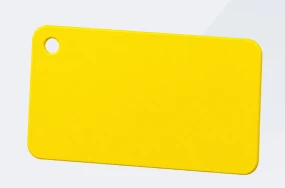
yellow U

yellow U

Green U

Green U

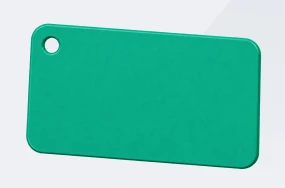
Example of a Silkscreen Part

Silkscreen
Silkscreen

CNC Screen Printing Process Guide

1. CNC Screen Printing Process

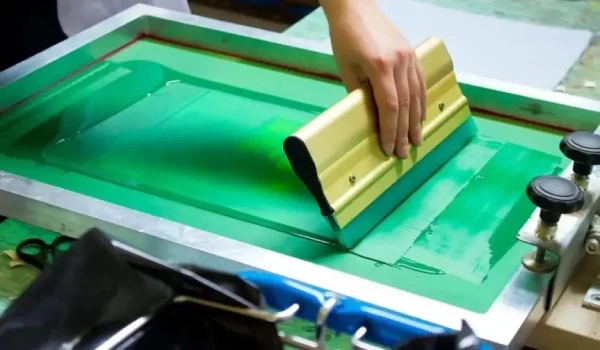
Screen printing is a stencil-based printing technique. A squeegee applies pressure to push ink through the open areas of a mesh screen, transferring the design onto the surface of the workpiece. The process involves five key elements: the screen, squeegee, ink, printing table, and substrate (the workpiece being printed).

Screen printing features simple equipment, easy operation, and relatively low costs. It is compatible with a wide range of solid materials. For multicolor designs, positioning fixtures can be used to align the screen for each print pass, ensuring consistent color registration.

CNC Screen Printing Process

2. CNC Screen Printing Process Flow

2.1. Direct Stencil-Making Method

Process flow: Pre-stretched mesh → Degreasing → Drying → Removing the carrier film → Exposure → Developing → Drying → Stencil repair → Screen sealing

Types of Laser Engraving

2.2. Indirect Stencil-Making Method

The indirect method begins by exposing an indirect stencil film. The film is then hardened using a 1.2% hydrogen peroxide (H₂O₂) solution, developed in warm water, and dried to produce a removable image film. During stencil preparation, the image film is pressed against the moistened mesh, with the emulsion side facing the screen. The carrier film is then peeled away, and the screen is air-dried to form the finished printing stencil.

2.3. Direct-Indirect Hybrid Stencil-Making Method

First, the photosensitive emulsion layer is applied to the screen mesh using water, alcohol, or a suitable emulsion adhesive. After hot-air drying, the carrier film is removed. The screen is then exposed to light and developed to create the finished screen-printing stencil.

3. CNC Screen Printing Finishes

Screen Printing Type Appearance Suitable Substrates Typical Applications
Standard Flat Screen Printing Thin, smooth, and uniform ink layer with sharp edges. Matte or gloss finishes are available, with no noticeable raised areas. Metal, plastic, PC, acrylic, and powder-coated surfaces Product logos, specification text, and identification markings

4. CNC Screen Printing Design Considerations

1. Minimum line width: A minimum line width of 0.2 mm is recommended for standard screen printing and 0.3 mm for thick-layer printing. Bold fonts are preferred for small text to prevent breaks in fine strokes.

2. Minimum character height: Solid characters should be at least 2.0 mm high, while knockout characters (reversed-out text) should be at least 2.5 mm high. Smaller characters may result in blurred edges or incomplete ink coverage.

3. Color registration spacing: For multicolor printing, maintain a gap of at least 0.15 mm between adjacent colors to prevent color bleeding and unwanted overlap.

4. Large solid areas: For large solid-color graphics, consider adding ink relief points to help prevent ink buildup, bubbles, and ink flow issues.

5. Applications of CNC Screen Printing

1. Identification and labeling: Product logos, model numbers, specifications, serial numbers, and warning labels.

2. Decorative graphics: Decorative lines, color blocks, borders, and simple graphic designs.

3. Functional markings: Button outlines, touch-sensitive areas, and port labels.

4. Backlit windows: Semi-transparent printing for indicator lights and backlit text on transparent substrates such as PC and acrylic.

5. Anti-slip and tactile markings: Raised graphics created through thick-layer screen printing for buttons and anti-slip surfaces.

6. Masking applications: Selective masking to protect designated areas during subsequent processes such as anodizing and etching.